
On this page
Written from inside an AI-native school network: where AI genuinely gives teachers their time back, where it flatly can't help, and how to talk about it in an interview.
Most writing about AI in education is either panic or press release. This is neither — it's a description of how teachers in our network actually use AI in 2026, written for teachers deciding what to learn and candidates wondering what schools now expect. NCFE runs AI-native deliberately, so we've had a few years to find out what works and what's theatre.
Where AI genuinely gives teachers time back
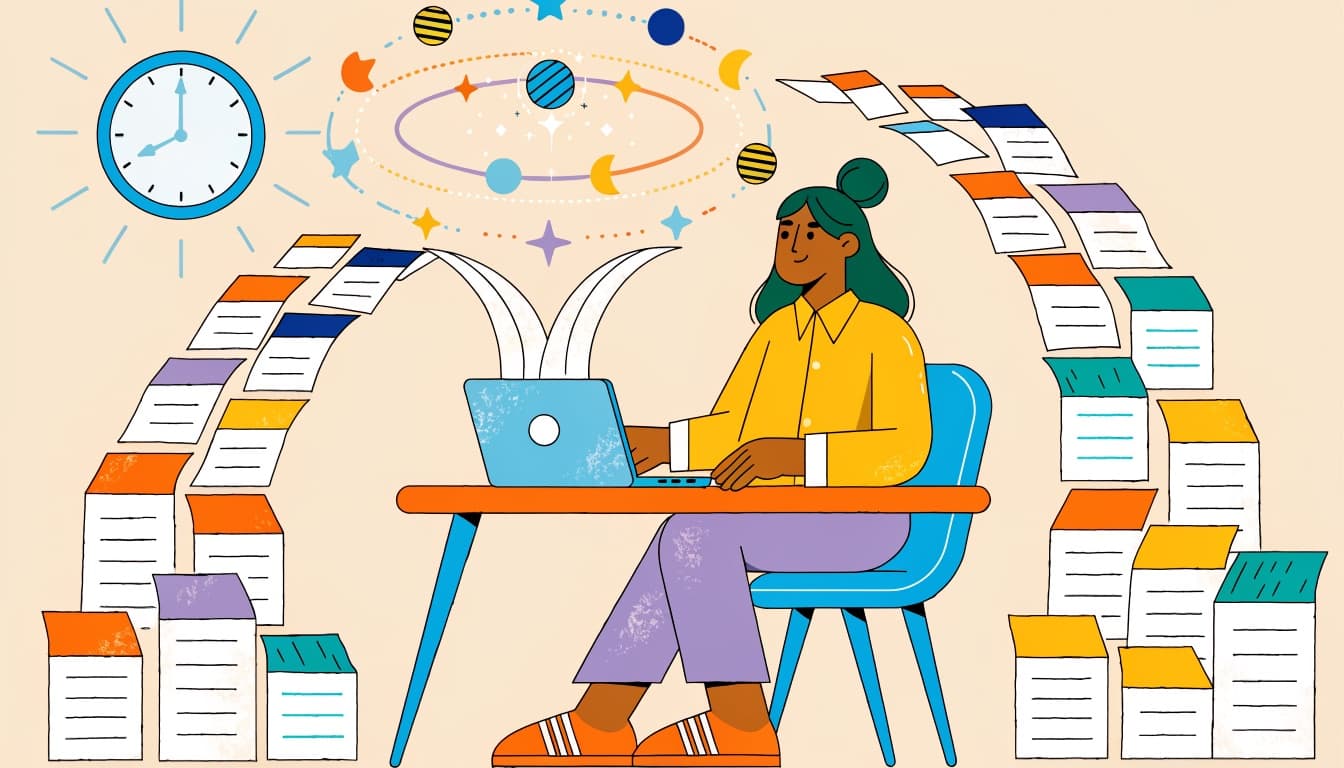
- Lesson planning — the biggest win. Drafting a lesson skeleton, generating three different hooks for the same concept, producing worked examples at graded difficulty. Teachers who once spent Sunday evenings planning now spend them living; the craft moves from writing plans to editing and judging them.
- Differentiation at last. Every teacher is told to differentiate; almost none have time. AI makes three versions of a worksheet — support, standard, stretch — a five-minute job instead of an evening. This is arguably AI's single most pedagogically important contribution.
- Assessment generation and feedback. Question banks aligned to what you actually taught, marking-scheme drafts, and first-draft feedback comments a teacher then personalises. Grading judgement stays human; the typing doesn't have to.
- Parent communication. Drafting the tricky note — the one about behaviour, or the sensitive academic concern — with the right tone, which the teacher then edits and owns. Twenty anxious minutes becomes five.
- The unglamorous rest: substitution plans, event write-ups, translations for multilingual parent groups, report-card comment drafts.
What AI can't do (and why that's the job)
AI has no idea that Aarav shuts down when called on first, that this class needs energy after PE, or that yesterday's fight is still in the room. It can't hold a silence, read thirty faces mid-explanation, or earn trust. Everything AI produces is generic until a teacher who knows these children shapes it. That's not a limitation to apologise for — it is the job description. The teachers who thrive with AI treat it as a tireless assistant with excellent recall and zero classroom sense.
The student question every school asks now
Students use AI for homework. Detection tools are unreliable and the arms race is unwinnable — so the schools handling this well are redesigning tasks instead: more in-class writing, oral defence of submitted work ('walk me through your third paragraph'), assignments anchored to class-specific discussion, and process artefacts alongside products. Teaching structured AI literacy beats prohibition; we start it in Grade 6. If you're interviewing, this exact question has become standard — we cover it in our interview questions guide.
The AI skills schools now screen for
None of this requires technical background. What interviews and demo observations actually look for:
- 1Fluent prompting for real tasks — can you get a usable differentiated worksheet out of a model in minutes, iterating rather than accepting the first draft?
- 2Editorial judgement — can you spot the factual slip or pedagogical weakness in AI output? (Schools fear teachers who trust AI blindly far more than teachers who avoid it.)
- 3A considered position on student use — redesign over detection, literacy over prohibition.
- 4Honest boundaries — knowing which tasks you'd never delegate: grading judgement, parent relationships, anything requiring knowledge of a specific child.
How to build them: pick one real task this week — next week's trickiest lesson plan — and iterate with any frontier model until the output is genuinely yours. Repeat across planning, assessment and communication for a term. That's the entire curriculum; certificates in 'AI for educators' add little a portfolio of actual use doesn't prove better. Then say exactly that in your resume — one concrete line beats a skills-list buzzword.
“We don't use AI to replace teacher craft. We use it to give teachers their time back — the craft is why we hired them.”
AI-native since before it was a buzzword: NCFE teachers use AI daily for planning, assessment and communication — and students learn structured AI literacy from Grade 6.
Join our teaching team →