
On this page
Innovation at a school is easy to claim and hard to mean. At NCFE it shows up in specific, boring-sounding places — how lessons are planned, how children build things, and how teachers get their time back.
Every school says it's innovative. The word has been used so often it barely means anything, so it's worth being concrete. At NCFE, innovation isn't a smartboard in every room or a slogan on the wall — it shows up in three specific places: how lessons get planned, how children build and make things, and how teachers get their time back. Here's what each one actually looks like.
AI-native, defined honestly
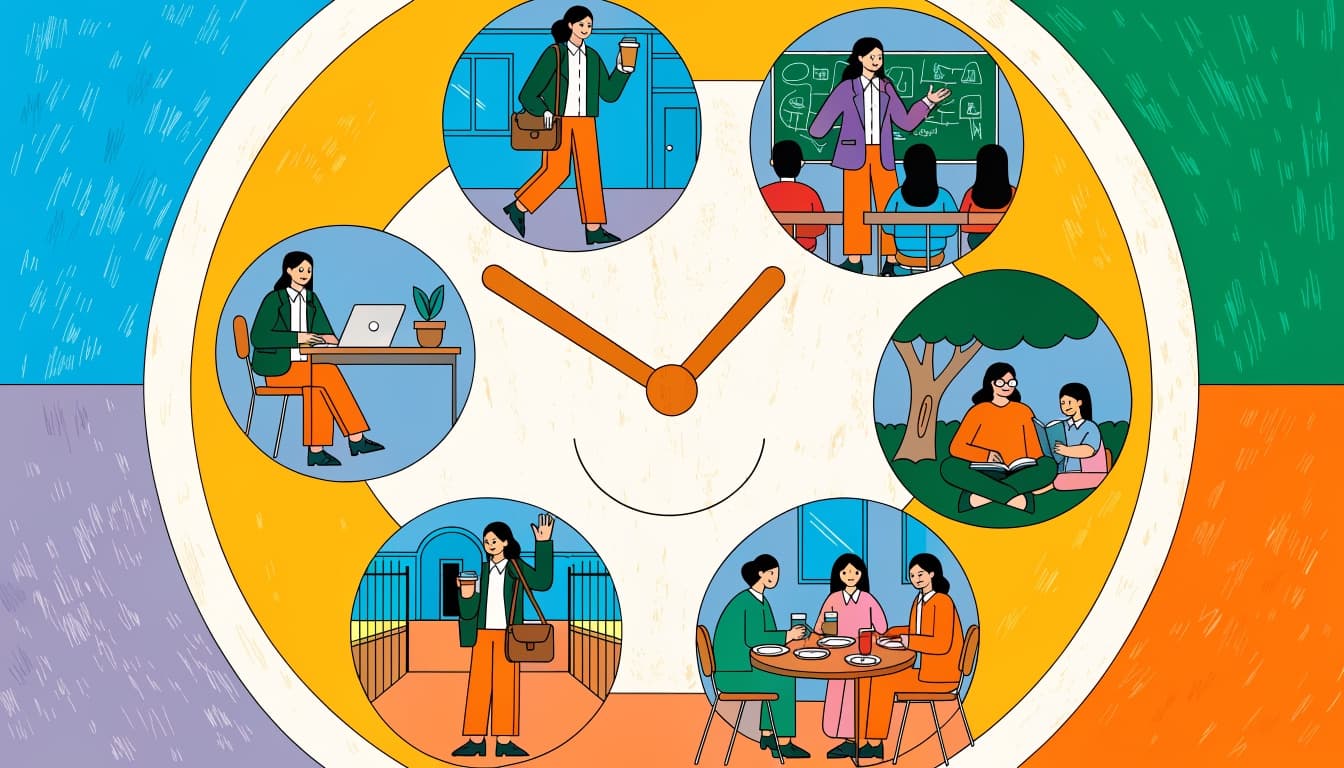
AI-native does not mean robots teaching children. It means the repetitive third of the job — first-draft worksheets, differentiated versions of an exercise, first-pass marking, parent-update drafts — is accelerated by tools, and the hours saved are deliberately returned to the human third: feedback, mentoring and actual teaching. Children learn structured AI literacy from Grade 6, and teachers are trained on the tools rather than left to figure them out. The honest, hour-by-hour version is in how teachers actually use AI and a day in the life of an NCFE teacher.
Concept-first, inquiry-led CBSE
The deepest innovation isn't a gadget — it's a stance. We're CBSE-aligned, but we lean concept-first and inquiry-led: understanding before drilling. In practice that means children meet an idea through a question or a problem before they meet the procedure, and lessons are sequenced for comprehension rather than coverage. It's harder to plan and far better to learn from.
Maker spaces and robotics
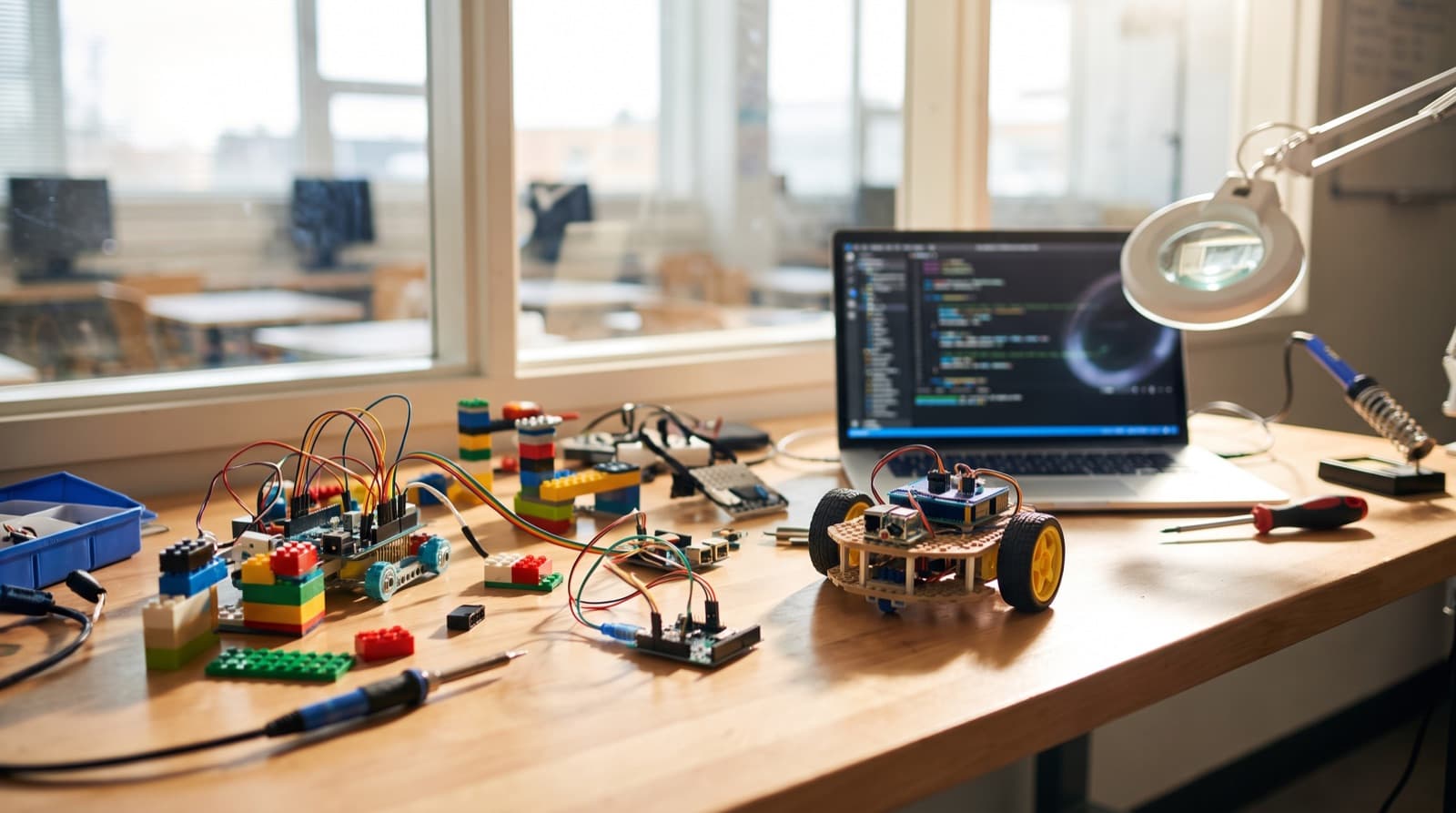
Innovation should be something children do with their hands, not just watch on a screen. Our campuses include dedicated maker spaces and robotics labs where children design, build and code — turning concepts into things that move and work. It's where inquiry-led learning becomes tangible. You can see how it varies by campus on the campuses page.
The tools we actually use
The stack isn't a mystery: Anthropic, ChatGPT Pro, Notion, Higgsfield and Canva — all funded by the school, and we actively encourage teachers to use them to save time and work smarter. You don't need to arrive fluent; you need to be curious. The full list sits on the Benefits page.
“I was sceptical about the AI talk until I used it to build a week of differentiated worksheets in the time it used to take me to make one. It didn't replace my teaching — it gave me back the evenings I used to lose to prep.”
Innovation that serves teachers
The test we hold every tool and method to is simple: does it give teachers more time for the human parts of the job, and does it help children understand more deeply? Novelty for its own sake fails that test. Innovation that returns your evenings and sharpens your teaching passes it — and that's the only kind we're interested in.
AI that gives you time back, maker spaces, and a funded tool stack — with training so nobody arrives fluent. See where you could teach.
Browse open roles →